
User-First Playbook: Choosing a Smarter Laser Cutter Fume Extractor
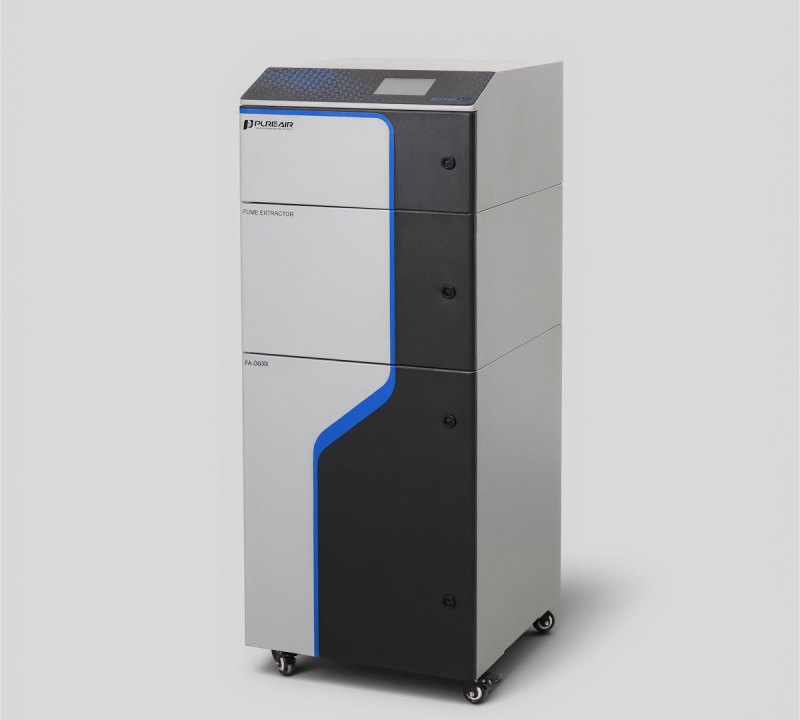
Introduction — a quick shop story
I was hunched over a pile of scorched acrylic one rainy Tuesday, thinking, man — this shop smells like burnt plastic and regret. A laser cutter fume extractor showed up in my second sentence because, honestly, that’s what was missing: clean air and fewer headaches. Data time: small shops report indoor particulate spikes up to 10x background during cuts, and volatile organic compounds (VOCs) can linger for hours. So what’s the right move when you’re juggling tight deadlines and your lungs? (Yep — been there. We all have.)
I’ll be straight: I want this guide to feel like a friend who’s been in the smoke and knows which kit actually works. I use plain talk, call out the dumb traps, and drop the jargon only when it helps — like saying HEPA filters or activated carbon when you really need them. No fluff. Next up I’ll dig under the hood — where the real pain points hide — so you can skip the rookie mistakes and build something that actually lasts.
Part 2 — Hidden user pain points with industrial solutions
industrial laser cutter fume extractor is what most vendors market as the cure-all, but my experience (and many shop owners I talk to) says that’s only half true. The units often underperform because they’re optimized for flow rate numbers, not real filter life or capture at the source. Common terms you’ll hear: fan velocity, filter efficiency, and pressure drop. All useful — but they don’t tell you how often you’ll be swapping filters, or when a clogged pre-filter silently kills capture performance.
Why do users still get burned?
Look, it’s simpler than you think: the main gaps are maintenance burden, mismatch to material type (metal vs. acrylic vs. MDF), and noise levels that nobody measured properly. Shops buy a unit based on CFM and a sticker that says HEPA-13, then find out their activated carbon bed was undersized for VOCs, or their blower can’t hold suction at the cutting head. That means fumes spread before the extractor even gets a chance — and that hurts health and cut quality. I’ve seen systems with edge computing nodes for monitoring that never got set up. — funny how that works, right?
We also underestimate user behavior. Folks don’t love climbing on ladders to change filters, and they ignore status LEDs when the light is in a weird place. Add a confusing control panel and you’re looking at weeks of bad air before anyone notices. So the pain isn’t just technical; it’s procedural and human. Fix that, and you get far better outcomes.
Part 3 — New technology principles and where we go next
Now let’s look forward. I’m bullish on systems that combine smarter sensing, modular filtration, and simple user feedback. A modern industrial laser cutter fume extractor should do three things well: capture at source, report clearly, and make maintenance painless. That means better sensor placement, filter stack design (pre-filter + HEPA + activated carbon), and affordable telematics — not some half-baked app that nobody uses. We can apply lessons from power converters and fan velocity tuning to get steady suction with lower noise.
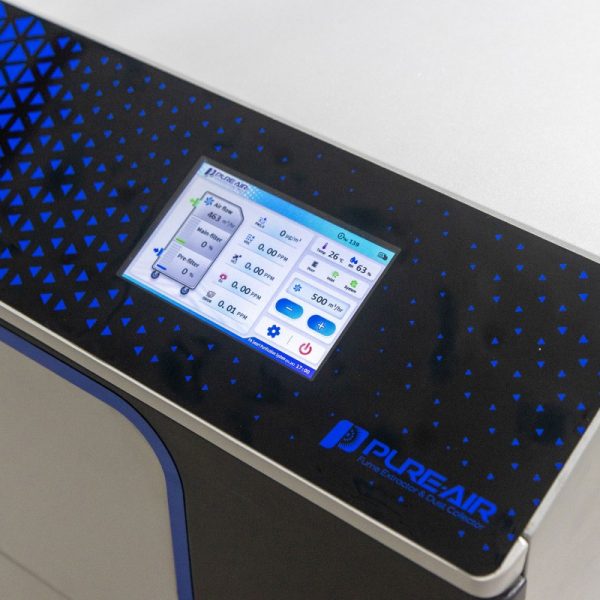 What’s Next — real features that matter?
I picture an extractor that tells you “change the pre-filter” with a big readable alert, or one that auto-adjusts fan speed when VOC sensors spike. The new principles are modularity, feedback, and low-friction maintenance. You want plug-and-play filter cartridges, clear service intervals, and optional analytics that actually help your techs. — and yes, this reduces downtime and cuts long-term cost. In short: prioritize capture performance and usable monitoring over headline CFM numbers.
To close, here are three metrics I use when evaluating solutions: 1) capture efficiency at the nozzle (measured percent), 2) total cost of ownership including filter replacements, and 3) real-world noise and usability scores from operators. I’ll say it plainly — don’t buy shiny specs without trying a demo. If you want a vendor who gets this, check out PURE-AIR. I’ve worked with teams who’ve cut their maintenance time in half using smarter designs, and that’s the kind of practical win I’ll always push for.
More stories
 Real Estate
Navigating the Modern Real Estate Landscape: Practical Strategies for Buyers and Sellers
Real Estate
Navigating the Modern Real Estate Landscape: Practical Strategies for Buyers and Sellers
 Casino
Bermain Tanpa Ribet: Strategi Longgar untuk Slot Dana dan Permainan Uang yang Aman
Casino
Bermain Tanpa Ribet: Strategi Longgar untuk Slot Dana dan Permainan Uang yang Aman
 Casino
Strategi Aman Bermain Taruhan Daring: Memanfaatkan Akses Akses Bermain yang Mulus dan Taktik Akun Semangat4d
Casino
Strategi Aman Bermain Taruhan Daring: Memanfaatkan Akses Akses Bermain yang Mulus dan Taktik Akun Semangat4d