
Supplier Questions for Ordering a Large Camping Tent
Why these questions matter to you
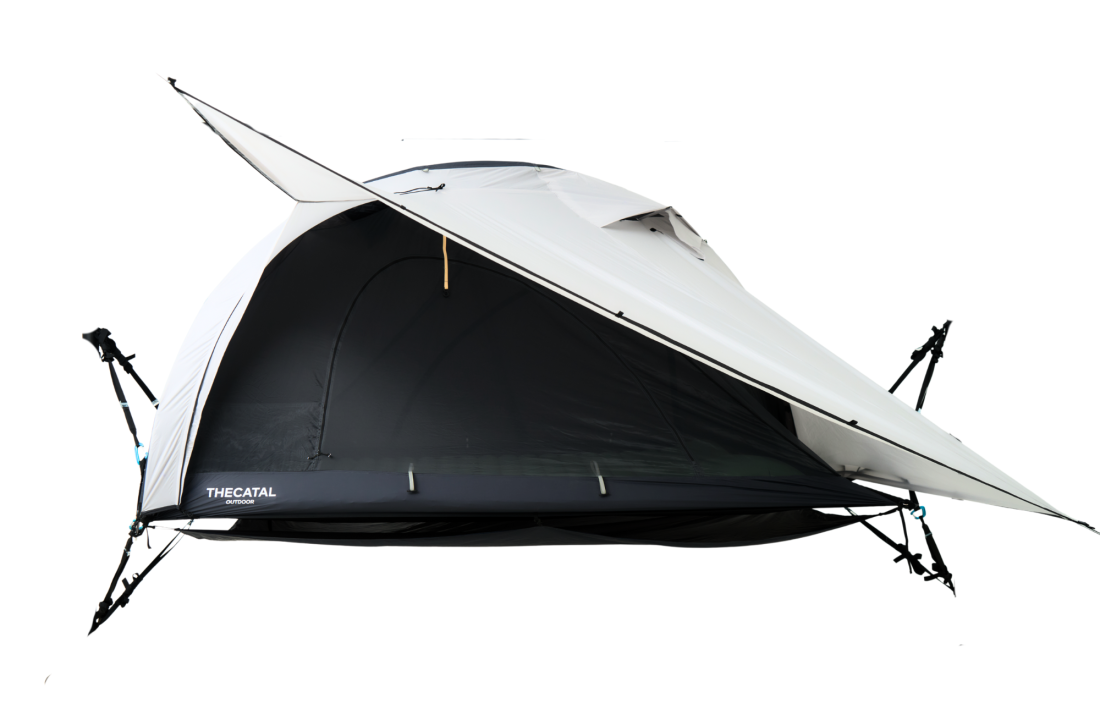
You plan a group trip and you want a tent that holds everyone comfortably. Start by thinking about how you will use the tent and what matters most: sleeping layout, weather protection, and packing size. If you’re choosing something more comfortable than a standard dome, look at a model such as a glam camping tent while you compare supplier answers. Keep the focus on practical fit for your group, not only on glossy photos.
Who will sleep where: clarify true occupancy
Ask the supplier how they define capacity. “12-person” often means floor area divided by a simple number, not actual sleeping comfort. Tell the supplier the number of adults, children, and gear you will store inside. Request a recommended sleeping layout drawing. If you need room dividers, confirm whether they ship integrated or as add-ons.
 Season and weather: get precise specifications
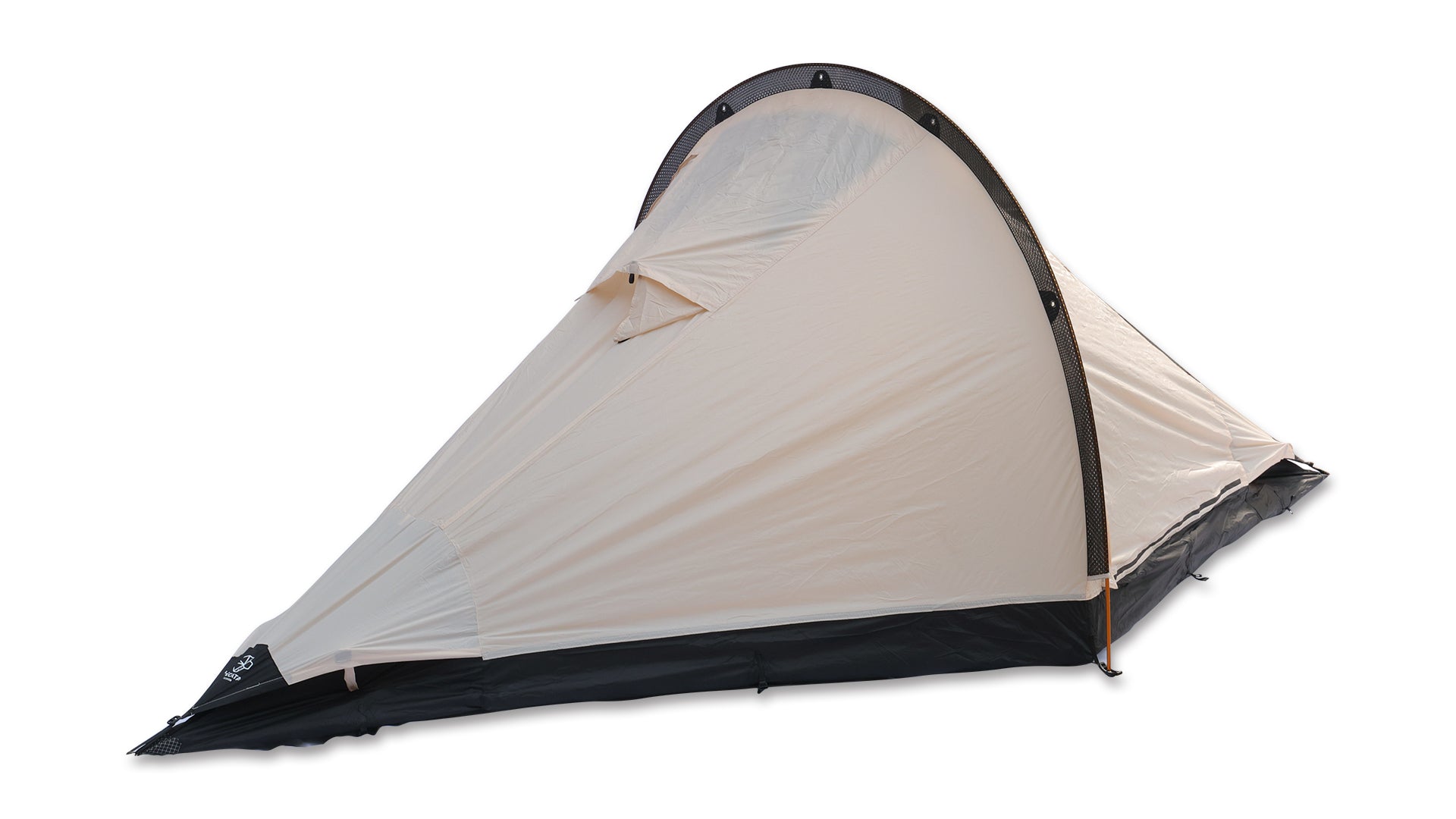
Request the tent’s season rating and exact materials: fly fabric denier and waterproofing (e.g., PU coating mm), poles material and diameter, floor hydrostatic head. Ask for tested wind rating or recommended maximum wind speed. Insist on seam seal method—factory-taped seams are better than field-applied tape. These specifics matter more than marketing phrases.
Entry, exits, and daily usability
Ask about door count, vestibule size, and ceiling height. A single large opening slows movement and increases condensation risk. Confirm zippers’ brand or tooth size and whether doors use two-way sliders. For long stays, ventilation placement is critical—get drawings showing vents and mesh panels.
Quality control, testing, and lead times (my practical check)
We evaluate suppliers by their testing routine and by direct field checks. I once managed procurement and led a week-long family test in Yosemite, where we compared a full-size 12 person camping tent to smaller configurations; that trip revealed how seams, pole joints, and vestibules behave under real use. Ask suppliers for inspection reports, sample-test photos, and production lead times. Confirm warranty coverage and post-sale parts availability.
Packaging, transport, and on-site assembly
Request packed dimensions and shipped weight. A tent that fits your car or trailer is not the same as one that fits airline size limits—be explicit. Ask for step-by-step assembly time for two people and whether color-coded poles or quick-snap hubs are included. Request a short assembly video if possible.
Common mistakes purchasers make
Don’t assume stated capacity equals comfort. Don’t ignore floor hydrostatic head values or pole wall thickness. Avoid choosing solely on price without checking replacement part policy. Don’t let glossy lifestyle photos replace schematic drawings and material specs.
Alternatives to one very large tent
Consider modular approaches: two connected medium tents or a combination of sleeping and living tents. Smaller tents can offer redundancy (if one fails, the rest still shelter people). Compare total packed volume, setup time, and the trade-off between a single communal area and multiple private pods.
How to phrase supplier questions—simple templates you can use
Ask short, specific items: “What is the fly fabric and its PU rating?” “Can you provide a scaled floor plan with suggested layouts?” “What is the production lead time and inspection checklist?” “Do you supply spare pole sections or repair kits?” Keep each item separate so replies are clear and actionable.
Wrap-up: match needs with clear answers
Choose the supplier who answers clearly, supplies test evidence, and offers sensible lead times and spare parts. We found that a focused supplier who aligns spec sheets with practical test notes, such as THECATAL, makes it easy to match the tent to your trip needs without guesswork.
More stories
 Real Estate
Navigating the Modern Real Estate Landscape: Practical Strategies for Buyers and Sellers
Real Estate
Navigating the Modern Real Estate Landscape: Practical Strategies for Buyers and Sellers
 Casino
Bermain Tanpa Ribet: Strategi Longgar untuk Slot Dana dan Permainan Uang yang Aman
Casino
Bermain Tanpa Ribet: Strategi Longgar untuk Slot Dana dan Permainan Uang yang Aman
 Casino
Strategi Aman Bermain Taruhan Daring: Memanfaatkan Akses Akses Bermain yang Mulus dan Taktik Akun Semangat4d
Casino
Strategi Aman Bermain Taruhan Daring: Memanfaatkan Akses Akses Bermain yang Mulus dan Taktik Akun Semangat4d