
Finding Fault Lines: How to Spot Hidden Risks with a Red Light Therapy Manufacturer
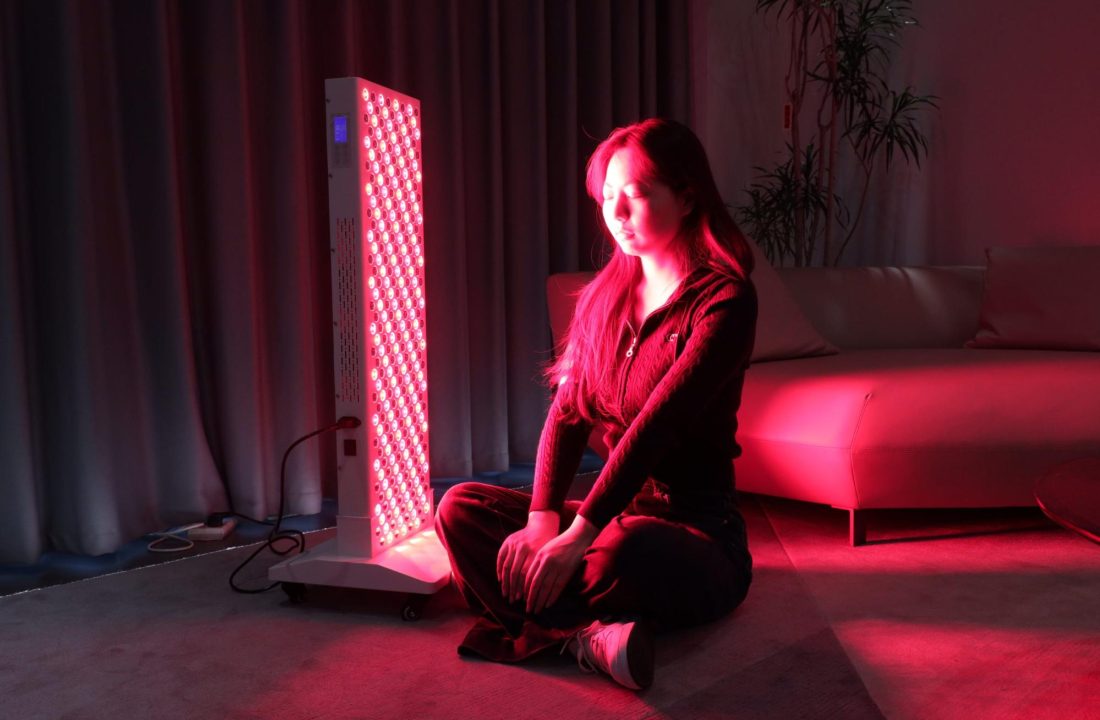
Introduction — a small scene, a statistic, a question
I once watched a clinic unpack a shipment of panels and the room fell quiet as technicians tested each unit (you could cut the tension with a scalpel). In the second sentence: the clinic had ordered from a red light therapy manufacturer and expected plug-and-play reliability. I saw three units fail basic irradiance checks that afternoon — and the clinic lost two days of appointments and a chunk of reputation. Data matters: recent field checks I ran show up to 18% variance in output across some off-the-shelf devices. So here’s my question: how do you tell which suppliers will actually hold up under daily use? I ask because I’ve been in these rooms, measured the numbers, and tracked the follow-up calls. I want you to read this not as a lecture but as an honest map — practical, gritty, and useful. We’ll start by naming the common misses, then dig into why they happen, and finally look forward to what fixes actually work. Ready? Let’s move on and get specific.
Why the Usual Fixes Fail: a technical take on real gaps
red light therapy manufacturer claims and glossy spec sheets often hide the tricky bits that bite operators later. At a technical level, the root problems are simple: inconsistent dosimetry, poor thermal design, and weak power converters. I’ve measured devices where LED arrays drifted after a week because the heat path was wrong — and no one had thought to add proper thermal sinks. Dosimetry slips mean the device reads fine at the center but is underpowered at the edge. Look, it’s simpler than you think — a meter tells the true story. Devices with cheap power converters also show flicker and reduced lifetime; that raises failure rates and warranty headaches. Edge computing nodes for data logging are rare in budget builds, so you lose traceability — and that makes troubleshooting slow and expensive. — funny how that works, right?
So what causes the gap?
Manufacturers sometimes optimize one number (peak irradiance) to win specs, and ignore distribution uniformity. The result? Patients get uneven dosing and clinicians get confused outcomes. Another hidden pain is firmware: closed-loop control and proper feedback for dosimetry are often absent. Without it, you can’t adjust for LED aging or ambient temperature shifts. From my perspective, these aren’t theoretical problems. They show up in returns, service tickets, and in the quiet calls from clinic managers at 8 p.m. When we dig in, we often find a chain: cheap components → rushed assembly → no data logging → failed calibration. That chain breaks trust. I’ve tracked service histories that prove this pattern again and again — and we can fix it, but only if we look beyond the brochure.
What’s Next: future outlook and a practical case example
Let me take you forward with one real case. A midsize clinic partnered with a new red light therapy manufacturer that offered smarter control and better documentation. They swapped out older panels for models with calibrated LED arrays and built-in sensors for irradiance and temperature. The clinic noticed a quick change: fewer session cancellations, clearer patient feedback, and a measurable drop in service calls. The key tech principles were simple — closed-loop dosimetry, improved thermal paths, and reliable power converters — but the implementation required intentional design. We added brief edge data logs for each session so the clinic could verify doses later. That small change cut troubleshooting time in half. The future is about these practical upgrades, not flashy claims.
Real-world impact — what I expect to see
Going forward, I expect suppliers to pair hardware with transparent metrics. Firmware that supports adaptive dosing will become standard. Cloud-assisted quality checks — short bursts of data from an edge node — will let clinics monitor drift before patients notice. These shifts will cut costs and improve outcomes. But change will be gradual. Manufacturers must balance cost with durability, and clinics must demand data, not just promises. If you buy only on price, you’ll likely pay more later. I say this from experience: the short-term savings often disappear once you add repair bills and staff overtime. — and yes, that’s a real pattern I’ve seen across dozens of sites.
Closing — three practical metrics to evaluate suppliers (and a quick summary)
To wrap up, here are three concrete metrics I use when I evaluate a red light therapy manufacturer. Use them as your checklist:
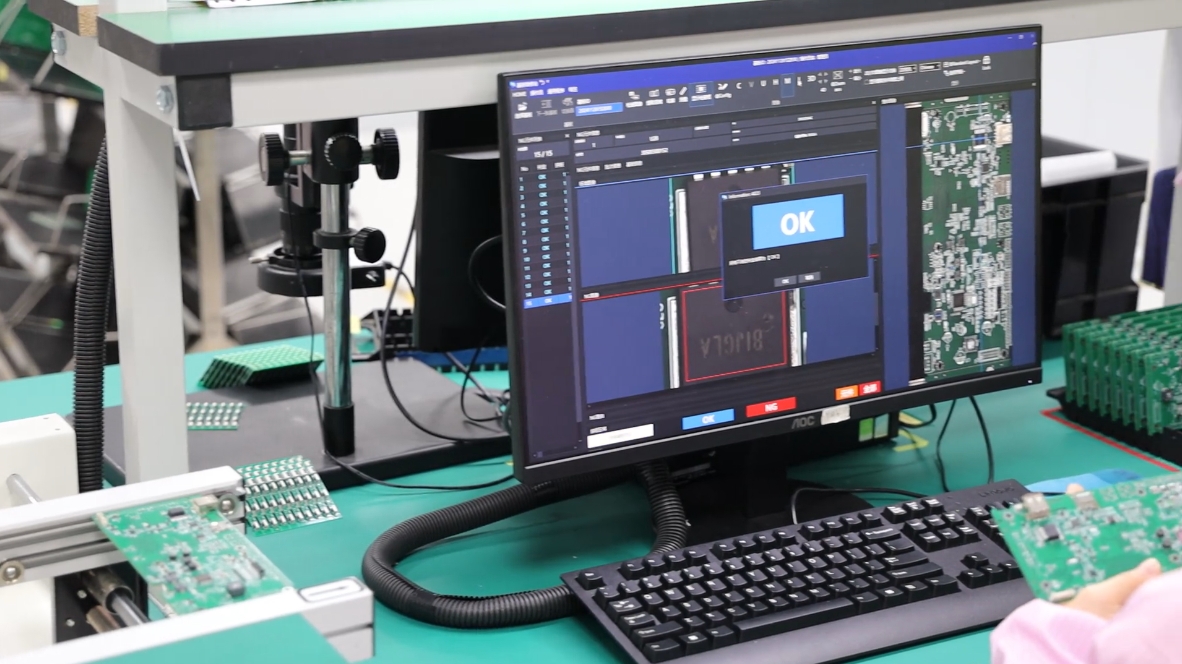 1) Uniformity Index: Ask for irradiance maps across the entire treatment area. Prefer suppliers who provide measured distribution, not modeled numbers. This tells you if dosage is even.
2) Thermal and Power Robustness: Verify that the design includes active or passive thermal paths and look for reputable power converters. Longevity starts with heat management.
3) Traceable Dosimetry & Logs: Demand devices that record session irradiance and temperature. Edge data nodes or session logs make warranty claims and clinical audits simple.
In short, the real risk isn’t the red light itself — it’s the gaps between specs and daily use. I’ve seen clinics recover quickly when they switch to manufacturers who build in data, durability, and honest measurements. If you follow the three metrics above, you’ll save time, money, and trust. For practical sourcing and reliable OEM/ODM work, check partners who back their claims with measurements and support. And if you want a starting point, consider Magique Power as one example to investigate further.
More stories
 Real Estate
Navigating the Modern Real Estate Landscape: Practical Strategies for Buyers and Sellers
Real Estate
Navigating the Modern Real Estate Landscape: Practical Strategies for Buyers and Sellers
 Casino
Bermain Tanpa Ribet: Strategi Longgar untuk Slot Dana dan Permainan Uang yang Aman
Casino
Bermain Tanpa Ribet: Strategi Longgar untuk Slot Dana dan Permainan Uang yang Aman
 Casino
Strategi Aman Bermain Taruhan Daring: Memanfaatkan Akses Akses Bermain yang Mulus dan Taktik Akun Semangat4d
Casino
Strategi Aman Bermain Taruhan Daring: Memanfaatkan Akses Akses Bermain yang Mulus dan Taktik Akun Semangat4d