Practical Garden and Home Improvement: A Balanced Guide to Interior Gardening and Outdoor Decor
A practical guide blending interior gardening with outdoor decor, offering actionable steps for home improvement and sustainable, stylish living.
Foundations for a Cohesive Home Garden and Interior Space
Creating a cohesive home garden begins with thoughtful planning that aligns with your interior style and daily routines. Start by mapping light, water access, and traffic flow, then translate those findings into zones that support edible herbs, flowering plants, and low-maintenance evergreens. Consider how seasonal decor changes will transition from living room to patio, ensuring that color palettes, textures, and materials echo across spaces. This approach sets a reliable framework for ongoing home improvement projects that blend outdoors with indoors effectively. For a deeper look, see laser scanning equipment.
When selecting plants, prioritize those that thrive in your climate and require manageable upkeep, reducing the burden of constant maintenance while preserving visual interest. Pair sturdy perennials with seasonal annuals to maintain year-round color without extensive redesigns. Integrate vertical green walls or compact planters to maximize small spaces, and plan irrigation that conserves water while delivering consistent moisture for vibrant foliage and robust blooms.
Ergonomics and Materials in Garden Design
Ergonomics matter as much in the garden as in the interior, guiding tool selection, bench height, and workstation layouts. Choose ergonomically friendly implements, lightweight pots, and adjustable hoses to minimize strain during planting and pruning. Use durable, weather-resistant materials such as aluminum or high-density resin for furniture and raised beds to withstand seasonal shifts while maintaining a polished look that complements interior decor. This attention to detail supports long-term enjoyment of both spaces.
Material choice also influences safety and accessibility, especially for family members with mobility considerations. Implement stable pathways, clearly defined edging, and non-slip surfaces to reduce accidents after rain. Opt for modular planters that can be reconfigured as needs change, ensuring your garden remains adaptable and aligned with evolving interior aesthetics and lifestyle goals.
Lighting Essentials for Interior and Exterior Harmony
Outdoor lighting should extend the usability of your space after dark while enhancing interior illumination strategies. Layer lighting with ambient, task, and accent elements to create a seamless flow from living areas to the garden. Use warm, color-consistent bulbs to preserve the mood inside and out, and install solar-powered options where wiring is impractical. Thoughtful lighting shapes atmosphere, supports safety, and ties interior decor to outdoor plant textural highlights.
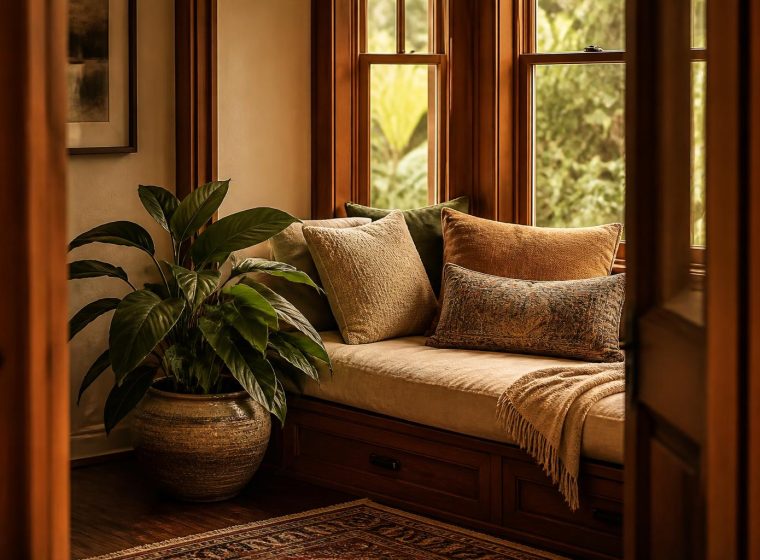
Inside, employ lighting that complements plant vitality, such as plant-friendly fixtures near window seats or herb corners. Choose fixtures with adjustable color temperature to mimic natural daylight during the day and gentle hues at night. Properly positioned light reflects off glossy surfaces, subtly enlarging rooms while showcasing greenery and decor accents as cohesive features of a single home environment.
Water Management for a Resilient Garden and Home System
Efficient water management reduces bills and environmental impact while preserving plant health. Install rain barrels connected to a drip irrigation system that targets roots, minimizing waste through precise delivery. Schedule irrigation to match plant needs across seasons, using soil moisture sensors where practical to avoid overwatering. Smart planning also prevents damp interiors, maintaining air quality and protecting interior finishes from excess humidity.
In addition to irrigation, consider mulching and soil amendments that improve water retention and nutrient availability. Organic compost enriches beds and reduces reliance on synthetic fertilizers, supporting a healthier ecosystem around your home. Regularly evaluate drainage to prevent puddling near foundations, which protects both exterior aesthetics and interior structural integrity.
Gardening as Interior Decor: Plants, Textures, and Color
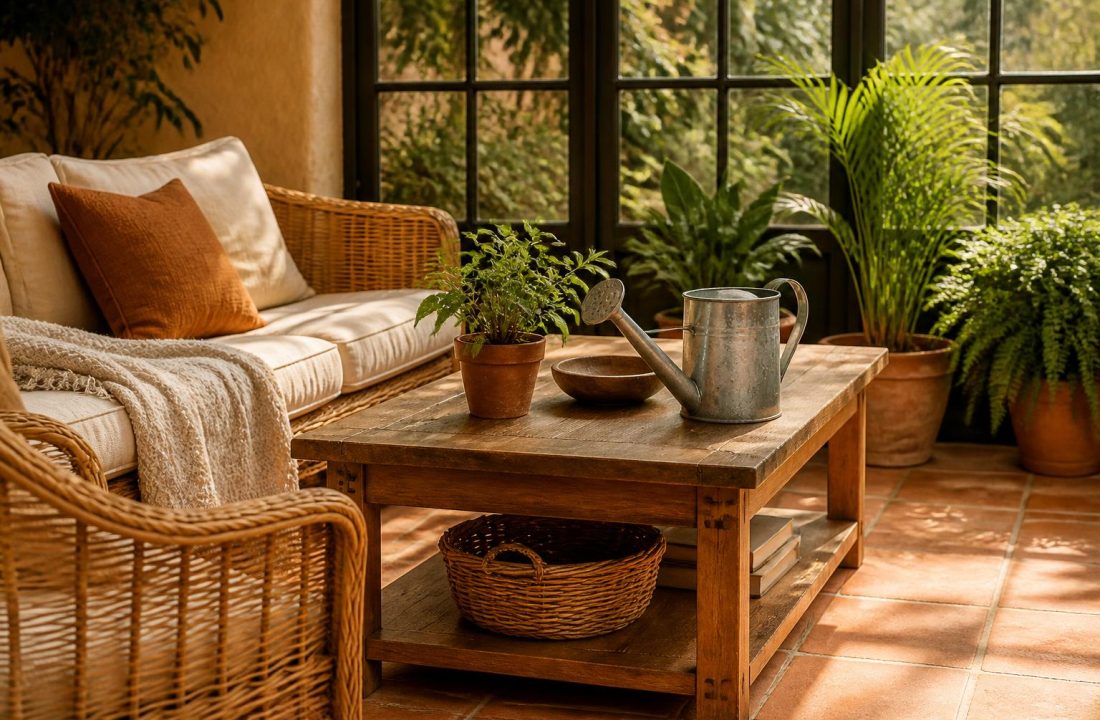
Gardening can serve as a living extension of interior decor by introducing textures, colors, and natural scents that coordinate with fabrics and wall colors. Display tall grasses beside sofas to create vertical interest, or group trailing vines near windows to soften architectural lines. Choose plant palettes that echo the room’s color scheme, weaving greens with accent hues for a cohesive atmosphere that feels curated rather than haphazard.
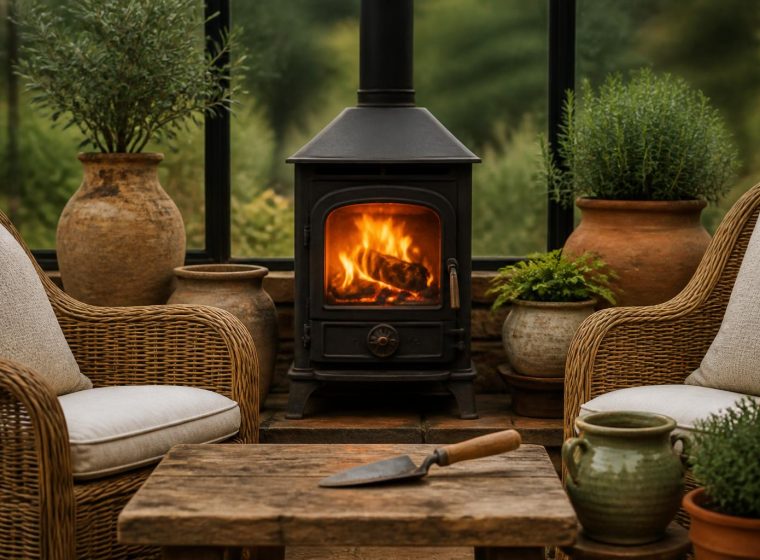
Texture matters as much as color: pair matte stone or terra-cotta with smooth ceramics and metallic accents to create visual contrast. Integrate planters at varying heights to mimic gallery arrangements, allowing for dynamic shifts as plants mature. This approach positions gardening as an ongoing decor project, enriching interior spaces while honoring outdoor vitality.
Seasonal Transitions: Maintenance Cycles and Decor Refresh
Seasonal transitions offer opportunities to refresh both interior and exterior spaces without extensive overhauls. Develop a yearly calendar that notes planting times, pruning windows, and decor swaps aligned with holidays and growing cycles. By staging small, reversible updates—like replacing cushions, swapping seasonal planters, or rotating flowering plants—you maintain energy and interest without costly renovations.
Documenting the outcomes of each season helps you refine future decisions. Track which plant combinations impressed visitors, how lighting changes altered mood, and which decor accents supported daily routines. This reflective practice supports sustained momentum in home improvement projects, keeping your interior and gardening efforts aligned with evolving tastes and practical needs, including ongoing energy efficiency considerations.
Tech-Integrated Garden Practices for Modern Homes
Integrate technology that enhances plant care, environmental monitoring, and design accuracy. A simple weather station, soil sensors, and a smart irrigation controller can automate routine tasks while providing data to inform decisions about crop selection and layout. Such tools help maintain plant health with minimal manual intervention, preserving time for decoration, entertaining, and daily living in stylish, functional spaces.
Consider using precision tools for planning and measurement, including surveys and layout sketches that guide plant placement and feature accents. For instance, landscape planning software can simulate growth over seasons, ensuring your exterior remains visually balanced as interior rooms evolve. This tech-forward mindset supports sustainable home improvement outcomes and fosters a confident, hands-on gardening practice.
Texture and Structure
- Layered plant heights create architectural interest that echoes interior shelving and furniture scales.
- Contrast rough stone with smooth glazed pots to mimic a curated gallery feel.